Day 18 – Yoga Challenge

cheesecake

Simone’s vegan cheesecake used a combination of recipes from 2 web pages:

The base:
The filling:
wellington

Jenny reports:

“The 40 Day Challenge has made me aware of so much more than just healthy eating. It’s true, by eating fresh, simple and healthy food I am feeling energetic, clear minded and in excellant health (and a bit thinner!). But what has also become apparent is that this personal improvement and wellbeing extends beyond me into the enviroment around me. Over the last 14 days I have produced less than half of the amount of rubbish. No packaging! Just more compost. Good for me, good for the landfills and the world around me, good for the garden. A sattvic lifestyle is win win!”

Day 17 – Yoga Challenge

compass 3

Ali reports: An important principle of yoga is self-study (svādhyāya). Svādhyāya is one of the niyamas, part of yoga’s personal code of conduct. Self-study means we take responsibility for our thoughts and actions, carefully disentangling society’s influences from our own motivations and behaviours. Through self-appraisal, we become more aware of how economic pressures and environmental factors sway us to act in certain ways.

The principle svādhyāya (self-study) involves us using the moral compass of yogic understanding to guide us towards truth and self-control.

Svādhyāya also means we pay attention to how our individual agency affects others, being mindful of the way we act both in public and private. As a result of keen self-observation, we can see the amount of time and energy we spend in social engagements, in relation to the time allocated for everyday responsibilities (like yoga practice). We make sure time and energy expenditure works in our best interests, as well as the best interests of people and causes that matter.

Over the last few days and weeks of our 40 Day Challenge, I realise just how much extra time I spend in actively managing and publishing on my ‘social media’ sites: website blogging (sadhanayoganz.com), editing ‘Sadhana Yoga’s new Facebook page, adding posts to Google+, checking signatures on my online petition, researching facts on yoga and yogic texts.

On the one hand this creates a robust and interactive online community, which means interesting people, interested in yogic healthy living, can share information, ideas, and photos. On the other hand, when too much time gets eaten up, important projects (such my new yoga book and art work!) fall by the wayside.

Ali says: It is important to balance time, in order to balance life.

Good cause: Stop problem gambling in Wellington:

gamblinggambling 2

Gambling is explicitly anti-yoga, and can lead to social dysfunction and financial ruin. Moreover, gaming machines, such as slot machines, are potentially on the increase in Wellington. Wellington City Council’s policy on “non-casino gaming machines – or pokie machines and gambling at TABs” is currently open for public input. The opportunity for written submissions will close at 5pm on Friday 22 May 2015.

Public Input – Review of the Gambling Venues Policy 2010

Wellingtonians can have a say on the Council’s policy on gambling venues and Pokie machines, helping to prevent the broad spectrum harm that arises from problem gambling and associated behaviours.

Because yoga – as a lifestyle choice – helps people release stress and overcome depression, people suffering from addictions, such as gambling and excess alcohol consumption, can gain recovery by forming a more positive relationship with one’s self.


Day 16 – Yoga Challenge

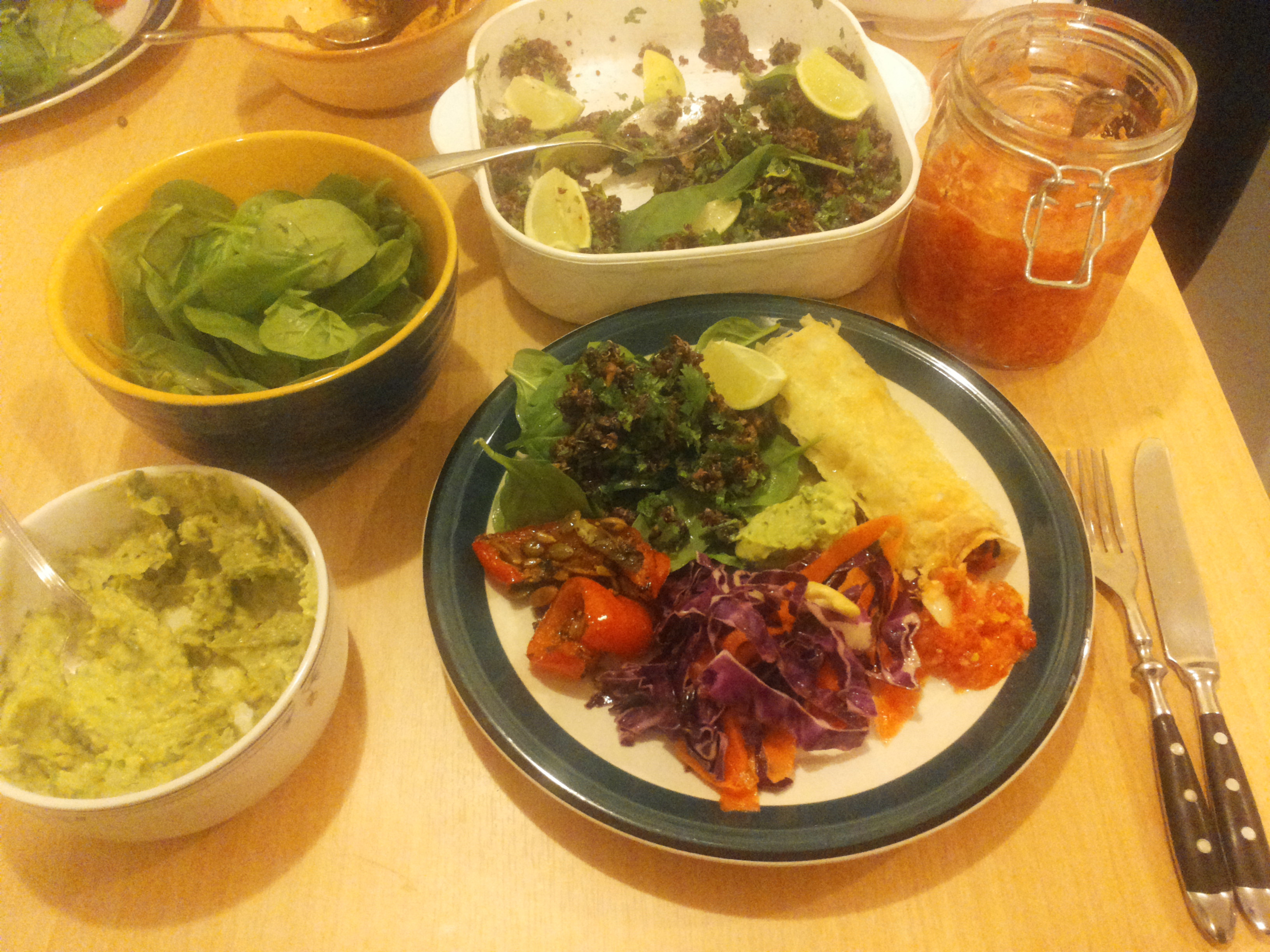
Last night, our 40 Day Challenge potluck dinner featured a stunning Sattvic Mexican banquet, hosted by Simone!

f pot luck

f cheesecake Not one person on the Challenge is missing eating meat … why?  Because sattvic food is delicious, nutritious and auspicious!  Also, these once-a-week sattvic-themed dinners allow us to eat far more healthily and lavishly than if we were preparing foods for ourselves.

Our banquet included: lightly seasoned kale chips by Simone, vegan ‘chorizo’ by Ali, vegetarian burritos and guacamole by Jen; red quinoa and wild rice by Annabelle, roasted peppers with toasted sunflower seeds by Viv, tangy fresh salsa by Andy, red cabbage and carrot salad by Maree. Maree also made exquisite roasted figs drizzled in honey for desert. Simone complimented this with a stunning vegan berry cheesecake. Terese offered us hydration with sparkling water, mint and lime to drink, to which Ali added a fresh fruit syrup.

The over all effect was amazing!

figs

Day 15 – Yoga Challenge

Terese Zealandia Terese tuatara

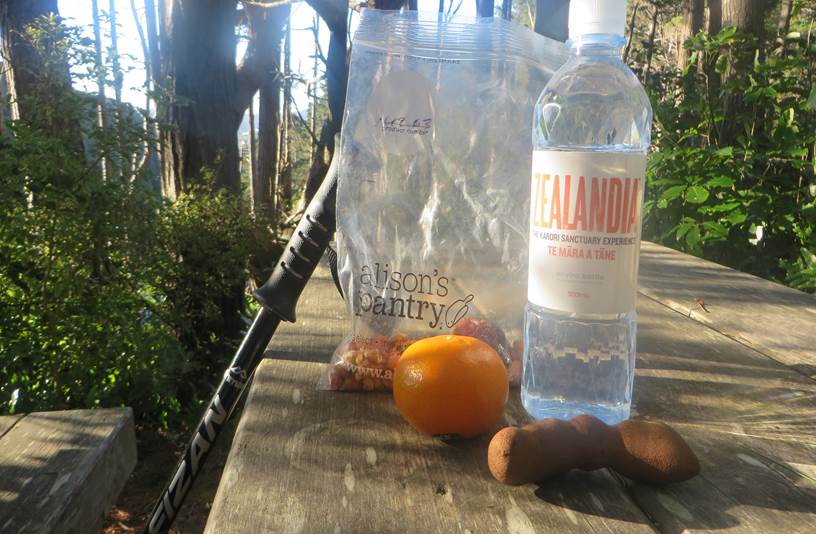
Terese reports on Day 15 of the Yoga Challenge: Tamarind, Trees, Time & Tuatara

Today most of the challenge class tried Tamarind for the first time, courtesy of Andy whose penance for breaking some challenge rules was to bring fruit to class.

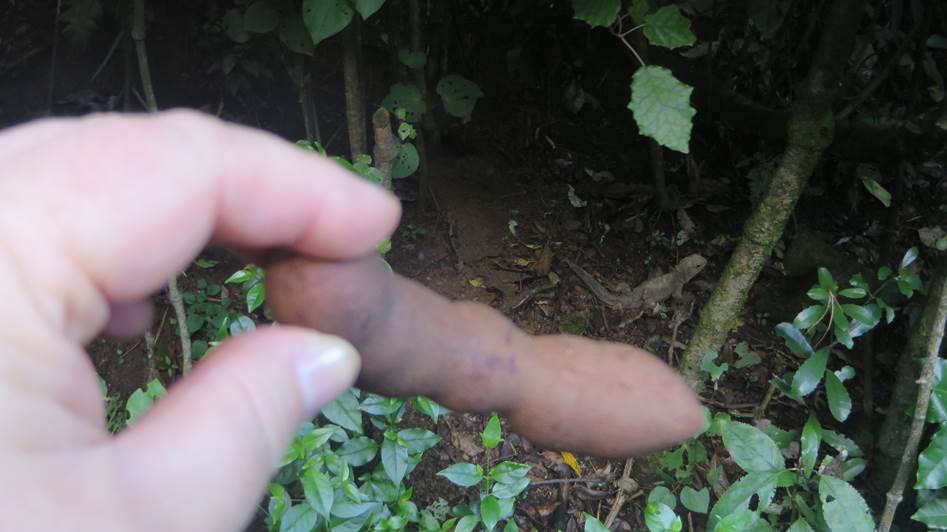
It was an inspired bag of penance, tamarinds, strawberries and purple flowers.  I saved my tamarind to try and enjoy in a special place, Zealandia, where I went after Saturday’s challenge class to do my weekly 2 hours of meditative silence.  I decided to do a combo deal and do a 2 hour bush walking meditation.  I was compromised several times with several people passing by extending bush courtesy greetings.  The first, a tourist, wanted to talk about the tuatara we were looking at, I smiled warmly nodded and moved on quickly, feeling a bit stink as engaging with people in nature is a big role in my life!, however, on a bush track I couldn’t not respond to those saying hello twice so I said x2 hello’s and self penanced by doing 20 extra minutes of silent bush walking!

Terese leaf

One of my favourite plants is Rangiora (bushman friend/loo paper), its so versatile, I learnt this many years ago on Outward Bound when loo paper was scarce!  Its also good to cover cuts, mop up blood, and if you have a pen you can write on it, and, today I had a slightly runny nose so used it as tissue.  There is plenty on the ground so you don’t need to take any still alive!  After two hours of silence and a ‘bush bath’, the main thing I noticed is that the benefits were like a vaccuming, dusting, cleaning of my mind.  I’m off to buy some tamarinds now!

Non-harming – ahiṃsā

Day 15 – Yoga Challenge
Today one our yogis impulsively swatted a fly that was hovering around the shrine during practice. The practice of ahimsa, not only teaches us to be compassionate, forgiving and tolerant of all beings. Yogis can also work towards attaining peace both inner and socially through the wider practice of ahimsa (non-harming action). We can be actively involved in environmental concerns, helping animals in need, and attending to members of society who need our help. Equally, if we transgress and cause inadvertent harm we can take responsibility for our actions by generating a field of deep loving compassion.

Sadhana Yoga's avatarNZ Yoga Centre - AOTEAROA

 P1030199

 Ahiṃsā and Karma

Each action, especially those that cause harm and injury, have a karmic effect that  can psychologically damage both the instigator and the recipient. 

Ahiṃsā means that we refrain from inflicting harm on all living beings, be it through negligence, ignorance, or even wilful intention. We stay vigilant of our dominant urges, taking full responsibility for our actions and their outcomes.

Inflicting harm, or engaging in violent acts are never adequate solutions for any difficult or challenging situation. The practice of ahiṃsā means gaining mastery over our base impulses, and controlling the use of force through humble and gentle means. As Gandhi explains:

“Nonviolence is the law of our species as violence is the law of the brute. The spirit lies dormant in the brute and he knows no law but that of physical might. The dignity of humans requires obedience to a higher law-to the strength of the spirit.”

Moreover, to advance on the…

View original post 226 more words

Day 14 – Yoga Challenge continued …

buckwheat pancakes

Maree reports:

Today, due to an infection I am having trouble ridding myself of I had a craving for something comforting and sweet but also fresh and green.  I remained true to the sattvic diet while also satisfying those needs and nourished myself with buckwheat pancakes topped with slice green apples sautéed in a little butter and cocoanut sugar and drizzled in manuka honey and sliced almonds.

With a mind fogged with painkillers and a body starting to feel quite weary with chemicals I decided that the benefits of a yoga class would outweigh and discomfort I might experience and I was right.  Nothing eases mental and physical discomfort like a series of beautifully guided asanas, the skill, authenticity and care of your teacher and the combined energy of your yoga community.

Day 14 – Yoga Challenge

Terese

The Guru Sessions Mind Mapping 2015  – by Terese Mcleod

In Ali’s Guru Sessions at the start of 2015 we mind mapped our ways to what we wanted our 2015 to look like.  I used the solar system to map the different goals I wanted to achieve this year, so each planet became a specific goal.  I’ve landed on one planet and hovering close to some others, and, some are still in the distance! One distant planet I want to land on at the end this year is Iron Māori http://www.sportsground.co.nz/site/10827/35993/. A quarter marathon in Napier.

The Tool Kit (Kete) – The 40 Day Yoga Challenge

My map in place, I now went looking for tools to get to my destination planets.  Not long after The Guru Sessions, Ali created The 40 Day Yoga Challenge.  The challenge has many elements, the foundations of which are to eat sattvicly, practice yoga daily and keep a daily diary of food/fluid intake, daily rituals and participate in weekly challenge classes, etc. What I’ve noticed is that the huge benefit from these elements is that they are keeping me actively conscious, mindful and aware of my actions and choices.  Some other tools I’ve found are websites with information, finding sattvic food recipes and food outlets.  Some websites like Toi Tangata http://toitangata.co.nz/ and Tri Poneke http://triponeke.webs.com/ have been interesting tools as I head toward Planet Iron Māori.

Pure (a ritual incantation)

The practice of opening and closing a day with an incantation or karakia was normal when Māori lived traditionally.  Today it’s practiced when we stay at marae but doesn’t often get practiced in our day to day home life.  I’m learning a very complex one which sounds beautiful and has the rhythm of a gently moving river.  This is a morning pure to be recited as the dawn breaks, I’ve done it some days and it really does anchor my day ahead.

Meditation and the Moon

A challenge requirement is to spend 2 hours weekly in silent meditation.  My first meditation I decided to do at night under the full moon on Seatoun Wharf wrapped in a sleeping bag on a deck chair.  The Moon light felt like a Moon bath, soothing, cleansing and refreshing.  I tuned into the soundscape of Tawhirimatea (the wind) and Tangaroa (the sea) with my beloved islands, Matiu Somes, Mokopuna and Makaro Ward in silhouette.  I also naturally found myself tuning into the smell-scape, seaweed and salt being carried on the wind.  It was amazing how productive and restorative this silent space was.

Daily Yoga Practice

I attend three classes at Sadhana Yoga a week (Saturday, Sunday and Monday) and the rest of the week I use and at home yoga programme chart Ali created for me, throw on a yoga DVD or attend the Victoria University Rec Centre yoga classes.  It’s not ideal, I would prefer to take Sadhana Yoga classes daily!

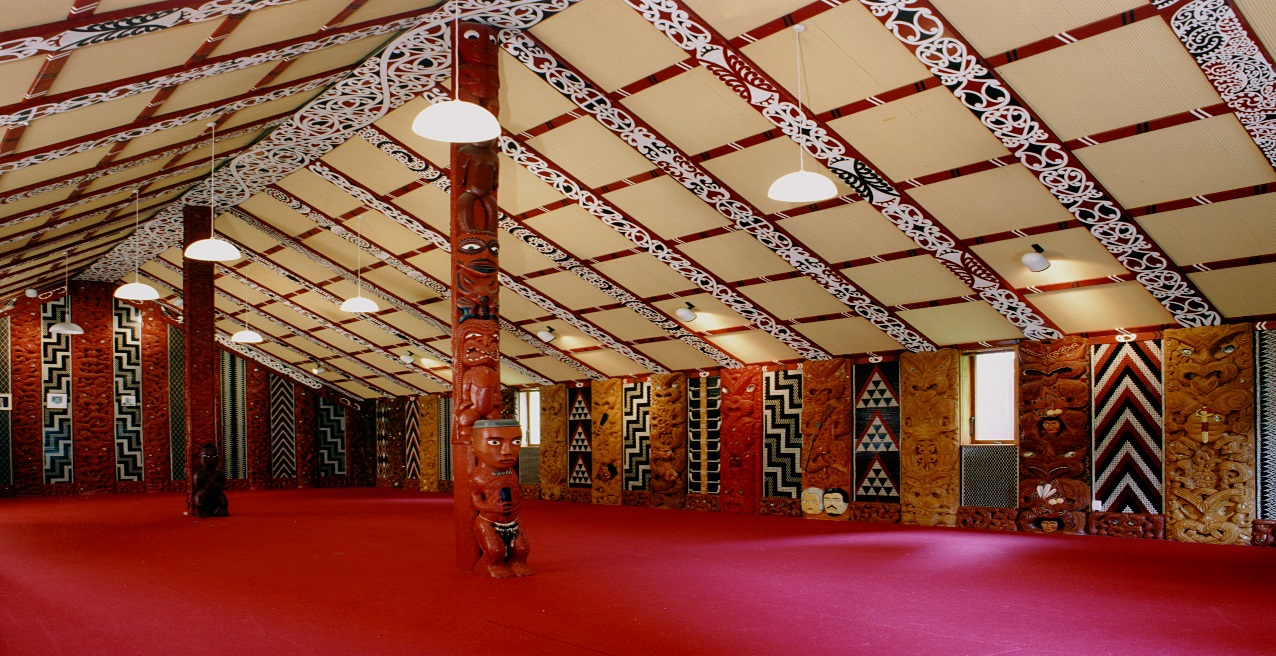
marae

Te Herenga Waka @ Victoria University

Te Herenga Waka Marae at Victoria University is probably one of the most ascetically beautiful marae I have seen in New Zealand.  It hosts an enormous amount of events.  Core business are lectures, tutorials and seminars in the wharenui (pictured above).  Classes from across the university may hold overnight experiences there, graduations, tangihanga (funerals), international guests are hosted there, including the family of Mahatma Gandhi.

Part of the complex includes a wharekai (dining room) which caters for all marae events and also provides a cooked lunch every day for $5 to students and staff. My sattvic eating plan has been embraced by the marae cooking staff who have been catering my lunches, they also cater for halal, vegan, paleo, vegetarian and many other dietary requests.  The food is more than, what everyone else is having, with the meat taken off, but a considered meal plan.  I’ve had a range of salads, coleslaws, couscous, lentil and chickpea recipes.  My favourite has been Farali Pattice, a fasting food of the Gujarati’s. Faral means ‘fast’.  The patties are made with an outer covering of mashed potatoes and filled inside with spiced dry fruits mixture, coconut and peanuts and are baked.

food

Making Meals a Ritual with beautiful eating vessels

I love beautiful things and love ritual.  I love using things like these pretty eating sets to give a bit of flair to my meal rituals and I typically like eating with my right hand Indian styles.

tray

The Lab @ Victoria University

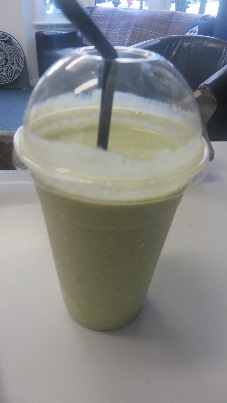
The Lab specializes in cold pressed fresh juices and smoothies.  It’s amazing to have food retail on campus with fresh food options!  My favourite juice is Red Aide, a blend of apple, beetroot, carrot and ginger, this juice reminds me of the one we had in Haridwar, India.  Here is the stunning Himalayan fresh juice recipe jam packed with flavour and vitamins.
smoothie

Ingredients:

1 large carrot + Handful of grapes +1 apple + piece of fresh pineapple +handful of fresh mint +

1 small beetroot + ½ orange + chunk of fresh ginger (not too much!).

My favourite smoothie from The Lab is The Avocado:

The Avocado

Avocado, banana, kale, cinnamon, vanilla with soy milk.

Closing remarks – a few weeks in

What’s struck me is how bright my eyes are and my body is reacting so positively to the challenge.  As a person who grew up and loved meat, chicken, fish and pretty much everything non sattvic, after two weeks of ruling them out of my diet and I don’t really miss any of it at all, in fact, I have been wondering if I will ever go back to that food!  I find that I am never hungry and my energy levels have improved remarkably.  The sattvic food is so interesting and can be full of flavour, I’ve started treating eating like a ritual rather than mindlessly and speedily eating rubbish kai.  The challenge is providing me with so many tools and we are learning how to use them within our 40 days and beyond.

Ngā mihi mahana

Terese Mcleod

ACC Petition is now at 195, help us push it over 200!

 Change ACC’s coding on Yoga (yoga is not a sport) please sign our petition appealing against yoga teachers paying higher ACC levies than fire fighters, police officers & dance teachers. Yoga teachers pay the same fees as workers crushing rocks in quarries.

We need over 200 signitures to make a real stand. Here are some of the previous posts.

Posted a comment on Change ACC’s coding on Yoga (yoga is not a sport) petition I‘ve been practicing for 15 years, and never hurt myself… seriously ACC, lets get educated.

Posted a comment on Change ACC’s coding on Yoga (yoga is not a sport) petition It really does defy all logic.

Posted a comment on Change ACC’s coding on Yoga (yoga is not a sport) petition In over 8years practicing Yoga I’ve never hurt or injured myself while doing yoga.

Posted a comment on Change ACC’s coding on Yoga (yoga is not a sport) petition Not only do I believe yoga by experienced teachers is not as dangerous as skiing etc, but it is often preventative and rehabilitive

Posted a comment on Change ACC’s coding on Yoga (yoga is not a sport) petition I support this petition. Yoga teaching should not be penalised, rather encouraged.

Posted a comment on Change ACC’s coding on Yoga (yoga is not a sport) petition Yoga doesn’t seem to be more dangerous than professional netball, or fire-fighting, so it doesn’t seem fair to be paying more ACC

Posted a comment on Change ACC’s coding on Yoga (yoga is not a sport) petition yoga is extremely useful.

Posted a comment on Change ACC’s coding on Yoga (yoga is not a sport) petition The ACC levy that I pay per year is highway robbery. I pay over $3,000 in ACC levies per year and yet I do not run regular yoga classes in New Zealand.
 Posted a comment on Change ACC’s coding on Yoga (yoga is not a sport) petition I have NEVER made an ACC claim for any injury acquired through yoga practice or teaching in 25 years of professional teaching and my ACC levey per.

.

Change ACC’s coding on Yoga (yoga is not a sport)

Day 13 – Yoga Challenge

sunlight

Ali offers her insights: The 40 Day Yoga Challenge obliges us to keep a daily yoga journal, recording our behaviours and experiences. However, keeping up with daily entries (on top of writing blog posts, attending to business and teaching yoga classes) is time-consuming. Sometimes, I find myself writing late at night. Although it is hardly ideal to catch up on journal entries retrospectively, writing in hindsight can offer constructive insights.

Accordingly, I realised that for the last three days (Day 10-12), my anatomical ‘sheath’, or ‘food body’, had been sustained almost exclusively by food and offerings (dana) provided by my students: Maree, Milan, Dipika, Jenny, Sue and Annabelle.

*** Blessings to these students! ***

The absorption of nourishment from dana offered with compassion, love and kindness, provides a deep sense of gratitude and self-awareness.  For me, it is like the mental appreciation of these offerings has been transformed into a deeply spiritual and beneficial experience.

One of the primary aims of Yoga is to harmonise the three ‘layers’ of the Yoga body.

Old texts, such as the Paiṅgala Upaniṣads 2:2-8,[1] refer to three layers of the Yoga body: material (sthula), subtle (sukshma), and causal (karana), which consists of five sheaths or ‘koshas’.

1. The ‘material’ body is made up of five elements:

  • Earth components of the anatomical ‘gross’ body is made up of bones, flesh, organs, cartilage and the like.
  • Water components consist of fluids, such as: blood, lymph, saliva, sweat, and urine.
  • Fire components relate to drives and desires: hunger, thirst, bodily heat, and sex drive.
  • Air components are composed of breath, movement and action.
  • Space/ ether is comprised of emotions

Each of these elements is subject to karmic influences. For example: if you have low iron in your blood cells, you may have been eating mainly processed foods, or avoiding leafy greens. This results in low energy. Similarly, if you offer wholesome food to a yogi or sadhu you may gain blessings and benefits from your devotional acts.

2. The ‘subtle’ body is made up of five motions (vayus) of life-force around the body:

  • Inward expansion of heart and lungs (prāṇa)
  • Downward elimination of waste (apana)
  • Digestion and absorption (samana)
  • Upward rising of breath, past the throat (udana)
  • Circulation to the limbs (vyana)

The ‘subtle’ body is also made up of five conscious actions:

  • Speech and articulation – vocal chords/ throat and ears for listening
  • Dexterity and clasping – hands feel through the skin
  • Movement – feet create a journey that shapes our lives and viewpoints
  • Excretion – anus and urethra tied in with smell and disgust
  • Sexual enjoyment – sex organs linked to pleasure, tastes

As well as five ‘inner senses’: mental determination, beliefs, memory, love, and dedication

3. The ‘causal’ body is made up of ‘five sheaths’ (koshas):

  1. Food sheath (Athānna-maya kosha) takes nourishment from the earth, forming the gross body
  2. Breath sheath (Prāṇa-maya kosha) take life-force from the air, forming actions
  3. Mental sheath (Mano-maya kosha) uses both outer and inner senses, forming perceptions
  4. Intellectual sheath (vijñāna-maya kosha) uses mental perceptions, forming intelligent understanding
  5. Spiritual bliss sheath (Ānanda-maya kosha) uses self-knowledge, forming spiritual bliss.

The aim of Yoga is to harmonise the three layers and five sheaths.

[1] S. Radhakrishnan, Principal Upaniṣads (Great Britain: HarperCollins, 2011 [1953]), 908-910.

Day 12 – Yoga Challenge continued …

Maree's toast

Maree reports:

12 days in to the challenge now and not far from half way. It was that realisation today that had me feeling a little sad and a little anxious rather than relieved.
Unpacking that reaction a little further I identified that the list of benefits I was experiencing on the challenge far exceeded any ‘negatives’. In fact, to date I can’t name one serious disadvantage living my new sattvic life.
I sleep better, anxiety levels have reduced. I haven’t experienced a ‘food hangover’, felt bloated or overfull; nor have I had any food related cramps. I feel in control of my nutrition choices rather than controlled by unconscious eating and too much food choice. My mood feels steady and I am less likely to react quickly with anger as my first response in some situations (ok, let’s name it – when driving!).
My energy levels are more consistent and I don’t struggle  post sugar food cravings as I once did.
For me these are quite dramatic and noticeable changes. And in only 12 days?
Those 12 days have also given me the space and focus (via the challenge journaling) to explore my feelings around eating meat and fish.  More on that later.
Attached is an easy, no special request required, sattvic lunch I enjoyed today at Cafe Polo. 5 grain toasted bread, avocado, vine ripened tomatoes, lemon.