Non-harming – ahiṃsā

 P1030199

 Ahiṃsā and Karma

Each action, especially those that cause harm and injury, have a karmic effect that  can psychologically damage both the instigator and the recipient. 

Ahiṃsā means that we refrain from inflicting harm on all living beings, be it through negligence, ignorance, or even wilful intention. We stay vigilant of our dominant urges, taking full responsibility for our actions and their outcomes.

Inflicting harm, or engaging in violent acts are never adequate solutions for any difficult or challenging situation. The practice of ahiṃsā means gaining mastery over our base impulses, and controlling the use of force through humble and gentle means. As Gandhi explains:

“Nonviolence is the law of our species as violence is the law of the brute. The spirit lies dormant in the brute and he knows no law but that of physical might. The dignity of humans requires obedience to a higher law-to the strength of the spirit.”

Moreover, to advance on the yogic path individuals should take a vow of non-violence and non-harming and apply it to personal and interpersonal relationships. 

Yet, ahiṃsā is not just limited to non-injury. Swami Sivananda also said that “Ahimsa is positive, cosmic love. It is the development of a mental attitude in which hatred is replaced by love. Ahimsa is true sacrifice. Ahimsa is forgiveness. Ahimsa is Sakti (power). Ahimsa is true strength.”

 When we succeed in practice of ahiṃsā we develop strong willpower, more intimate and loving friendships, and a heightened responsibility of engaging in kind speech and caring, compassionate actions.

“Ahimsa is a comprehensive principle. We are helpless mortals caught in the conflagration of himsa [harm or violence]. The saying that life lives on life has a deep meaning in it. Man cannot for a moment live without consciously or unconsciously committing outward himsa. The very fact of his living – eating, drinking and moving about – necessarily involves some himsa, destruction of life, be it ever so minute. A votary of ahimsa therefore remains true to his faith if the spring of all his actions is compassion, if he shuns to the best of his ability the destruction of the tiniest creature, tries to save it, and thus incessantly strives to be free from the deadly coil of himsa. He will be constantly growing in self-restraint and compassion, but he can never become entirely free from outward himsa.” — Mahatma Ghandi

Being vegetarian in a ‘fomovore’ world …

Penny the Pig

“A fomovore is a carnivore who fears they will miss out by not eating meat…” Ali Hale Tilley (4 days out from the 40 Day Challenge)

Adult vegetarians can easily get their necessary iron and minerals from cooked kidney beans or chickpeas, legumes (such as peas, lentils, peanuts), baked potatoes with the skins on, dried fruits (like raisins) and nuts, vegetarian cheese (such as feta, and mozzarella), whole and enriched grains (like wheat or oats), and leafy green vegetables (like broccoli and kale). Vitamin C, which is found in many fruits and veggies, enhances the absorption of iron and minerals.

Also, vegetarians can easily get the right amount of protein from eating a variety of protein-rich sources such as quinoa, nuts, peanut butter, tofu, beans, seeds, soy milk, grains, cereals, and vegetables. The average adult woman requires around 45 grams of protein per day.  The average man requires 55g per day. Many health foods can be combined together to form the right amino acid balance. For example:

  •  Chickpeas, sesame seed paste (tahini), olive oil and lemon juice make hummus, which can be eaten on whole wheat as an excellent protein source
  •  Mung bean shoots, nuts and seeds can be put in a delicious vegetarian stir fry, with or without tofu
  • Quinoa makes a great warm salad when combined with roasted roots veges and fresh beetroot
  • Homemade buckwheat pizza with mozzarella, made with lashings of fresh herbs and tangy tomato sauce, goes down a treat with most people
  • Black-eyed peas and vegies make up mouth-watering Mexican tortillas. Add vegetarian cheese if you want to bump up the flavour
  •  Sunflower seeds and fruit as a snack are an excellent protein source
  •  Lentils and wholegrain pasta can be combined to make Italian spaghetti
  • Organic baked potatoes with skins, filled with corn and cheese are packed filled with protein and nutrients, especially with a green side salad
  • Non-gelatine yoghurt can be added to milk, LSA & banana to make a great energy booster.

Children who are vegetarians can get the right nutrients needed, especially if they follow diet that allows some animal products, like eggs and milk. This type of ovo-lacto vegetarianism can provide growing children with enough calcium, vitamin B12, and protein.

Ali and Rabbit

On the other hand,  children and adults who eat a vegan diet will need to increase their consumption nuts, nut milks and seeds to gain the nutrients needed to maintain good health.

For more information on Vegetarian eating for children see:

http://kidshealth.org/kid/stay_healthy/food/vegetarian.html?tracking=K_RelatedArticle#

Lastly, the beautiful little child in this video makes great case for vegetarianism … fomovores take note!

40 Day Sadhana Yoga Challenge

Challenge yourself to

40 DAYS OF YOGIC LIVING
DSCF0063

Our 40 DAY SADHANA YOGA CHALLNGE  has 5 parts:

  • A physical challenge – Minimum of 30 minutes of yoga every day
  • A nutritional challenge – a strict vegetarian diet using Ali’s 85+10+5% rule
  • A mental challenge – sattvic fasting once a week, a strictly limited alcohol intake, no synthetic drugs or food (see avoidances)
  • An emotional challenge – Daily yoga journaling (shared with the group on Saturdays).
  • A spiritual challenge – two hours of contemplative silence once a week

annabell meditation

Main Dates

  • Start Up Class

Saturday, April 25th, 11:00am at Sadhana Yoga Studio

We will kick off our 40 Day Sadhana Yoga Challenge with a specialist yoga class, followed by a social gathering strategizing how to get through the next 40 days following a strict yogic lifestyle. This is a great opportunity to get to know your fellow challenge participants so that you can each offer encouragement along the way.

  • Weekly pot luck dinners hosted by willing participants

Every Sunday at 7.30pm you can welcome fellow challengers to your house for a potluck vegetarian dinner. The host will offer the venue and everyone will pitch in with setting up at the beginning and tidying up at the end (including dishes!). This team effort counts as a session in Karma Yoga – the yoga of mindful and dutiful action!

  • Halfway Class

Saturday, May 16th, 11.00am at Sadhana Yoga Studio This special class allows us to share our experiences and review our progress to date.

  • Final Party Class

Wednesday, June 3rd, 7.30pm at Sadhana Yoga This will be the last class of the 40 Day Yoga Challenge and participants will be celebrating in everyone’s success by sharing our experiences and choosing a prize winner.

To register for the 40 Day Yoga Challenge ask Ali to email you a Commitment Form. Read it, sign  and email it back to Ali at sadhanayoganz@gmail.com

Here is how it works:

  1. Register by emailing or expressing your interest and Ali will email you a Commitment Form which you will sign and return.
  2. Joining the Challenge is FREE, although each class taken at the studio will either be deducted from your pass or you pay as you go.
  3. To show you are serious and to keep you on the straight and narrow path of yoga you need to pay a cash-deposit of $20.
  4. Once you have paid your $20 deposit, Ali will email you a copy of your Yoga Journal template, which you can print and collate.
  5. If you complete a full 40 days (following the 5-part challenge) your deposit will be returned to you on the final day and you will enter the prize draw.
  6. Please be advised – this deposit will not be refunded if you forfeit the challenge or break your commitment code.
  7. On a positive note, any non-refunded deposits will go towards buying provisions for Guruji’s ashram in Barsana/ India!
  8. Think of how pure and bright you will be at the end of 40 days!
westeners

Vegetarian sattvic diet

In traditional yoga, there are of three kinds of diets: Sattvic diet, Rajasic diet and Tamasic diet. Sattvic foodstuffs included: organic milk, whole grain (oats, wheat, cereals), butter, vegetarian cheese (no animal rennet), all vegetables (except garlic, onions, mushrooms and eggplant), honey, organic or local fruits, naturally dried fruits like dates, nuts and seeds. Rajasic foodstuffs include: fish, eggs, meat, chillies, coffee and tea. Beef, wine, garlic, onions and tobacco are Tamasic foodstuffs. They fill the mind with anger, darkness and inertia.

Saturday Fasting – We will fast for 6 consecutive Saturdays drinking only herbal teas, milk or nut milks, organic yoghurt, honey, coconut water and eating fruits, organic fruit vegetable juices, seeds and nuts.

Alcohol – Tuesday, Wednesday, Saturday & Sunday are alcohol free days. Participants may drink a limited amount on Monday, Thursday & Friday. Women should not exceed 3 units in one sitting (9 units total per week). Men should not exceed 4 units (12 units per week).

Our 40 day yogic diet will follow Ali’s 85% + 10% + 5% rule
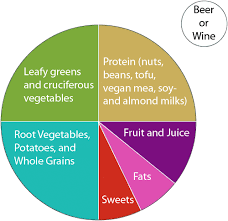
85% of each serving should include …

  1. Most vegetables (minimising or abstaining from onions, garlic, mushrooms and eggplant).
  2. Whole grains, especially oats, whole wheat, and brown rice
  3. Beans, lentils, peas, tofu,
  4. Herbal teas (minimising caffeinated teas and coffee)
  5. Any type of fruits, especially organic and/or locally produced fruits – including tomatoes, avocado, and lemons.
  6. Preparing and cooking with care, giving gratitude before eating

Up to 10% of each meal servings can include …

  • Organic and/or local dairy products: organic milk, butter, vegetarian cheese (no animal rennet), yoghurt (no gelatine), cream
  • Raw nuts and seeds, (not salted)
  • Cold pressed oils such as sesame, sunflower, and olive oil
  • Raw sugar, honey, molasses, agave syrup
  • Sweet spices, like cumin, coriander, cinnamon, cardamom, mint, basil, turmeric, ginger, nutmeg, fennel

Up to 5% of meal servings may include rajasic foods

  • Garlic, onions, leeks, chives
  • spicy foods or salty foods
  • Lightly fried foods
  • Eggplants (aubergines)
  • Tinned foods, except naturally canned organic beans, lentil, tomatoes and fruit
  • Chocolate or caffeinated drinks – coffee, tea, green tea
  • Alcohol
  • Mushroom(tamasic)

Rajasic foods are those that a stimulating effect, leading to irritability and competitive tendencies.

Strictly avoided

  • All meat and fish of all types, including eggs (NB soaked chia seeds make a great binding agent as a substitute to eggs)
  • Non-vegetarian cheese or halal gelatine
  • Animal fats or margarine
  • Deep  fried foods
  • Processed, refined and/or artificial foods with artificial colours and preservatives, including artificial sweeteners (chewing gum, breath freshers)
  • White flour and white sugar
  • Microwaved foods
  • Soft drinks – cola or energy drinks
  • Tobacco and synthetic drugs
  • Fast food from fast food restaurants

Why not join our 40 day Sadhana Yoga challenge today?

The final day for enrolment is Thursday April 16th.
 

Yoga in India, broadening your horizons

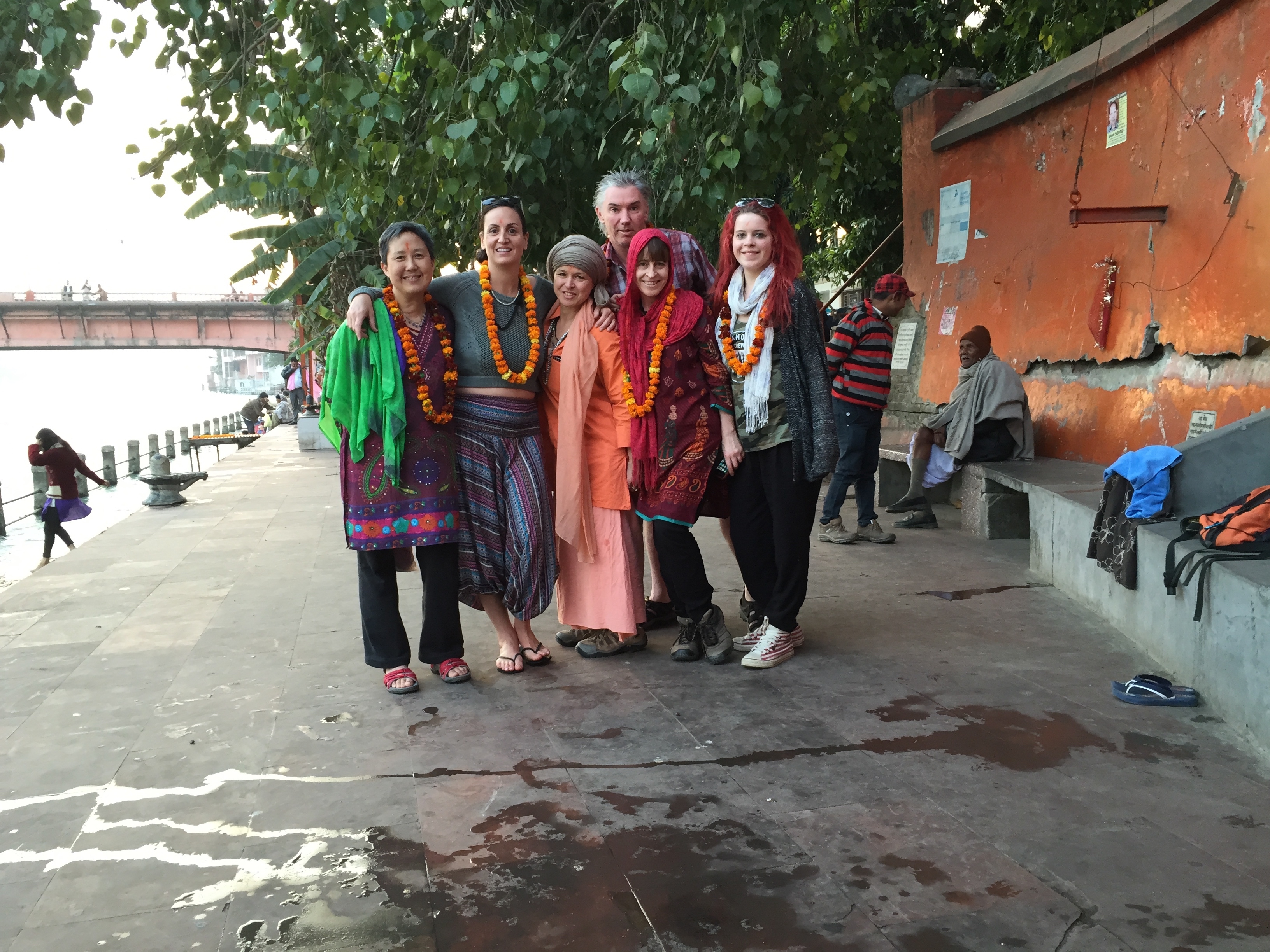
These wonderful pics of India (courtesy of the gorgeous Annabelle)  – featuring Haridwar, Rishikesh, and the rural Himalayas – show the abundance of natural beauty, wild adventure locations, and us goofing around and journeying off the beaten path into the heart of India.

group selfie ali and lizali in rishikeshgangaflowing   autorickshaw mountains morechillum  russanand

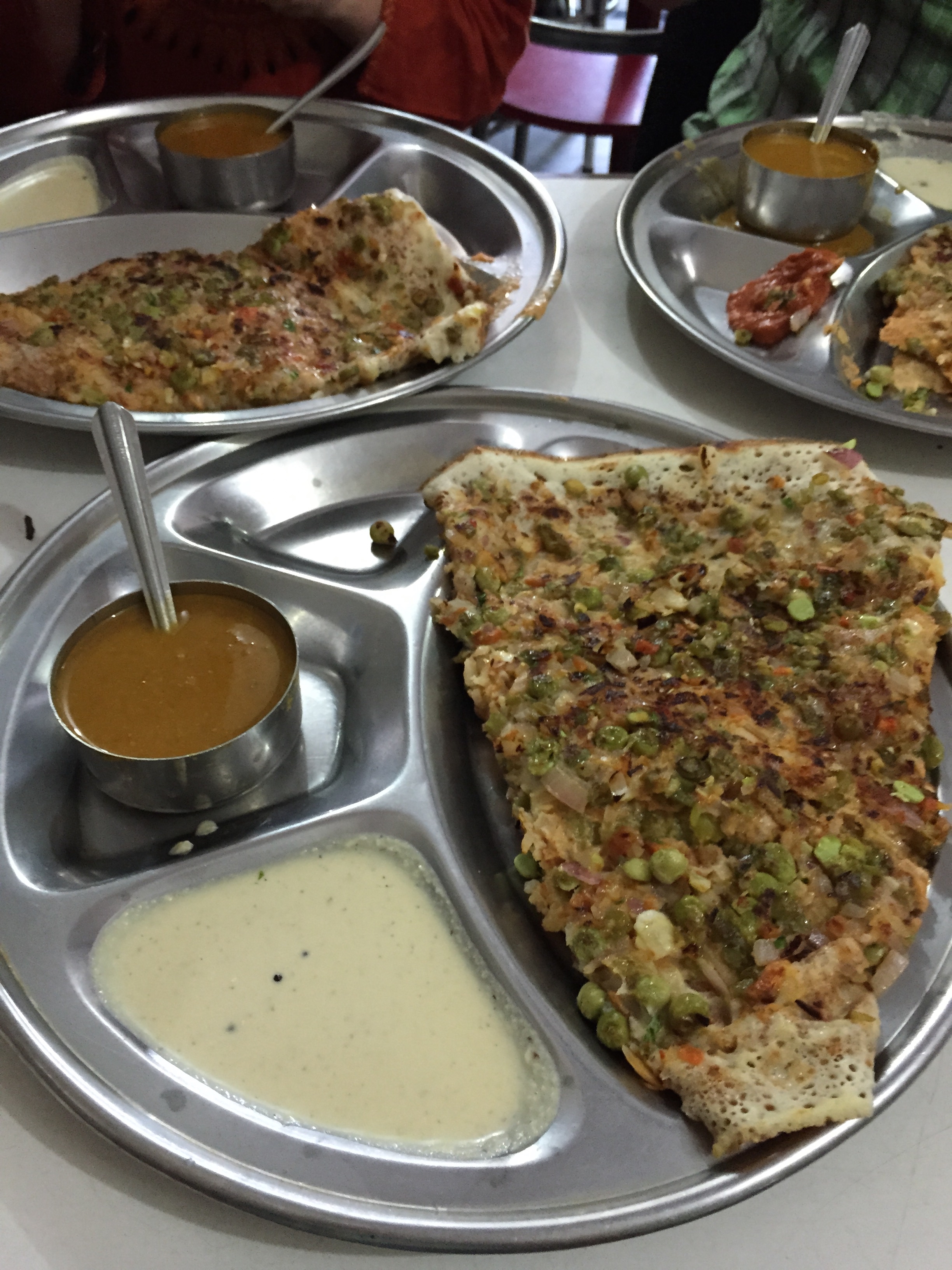
cows  dosa guruji and annabelle inside kali cave  kalicave  sunset perfectionleafboat       pilgrims ghats haridwartahia   group 3

Most Westerners only get as far as the German Bakery in Rishikesh. However, these great pics might tempt you to join us next time.


You can either meet up with the next group trip in Wellington, Sydney, Delhi or Haridwar.

Simply contact your adventure tour guide and resident yogi Ali, or see the tab YOGA ADVENTURES for more details

30 great tips for surviving winter


As we move into the winter months, down here in the Southern Hemisphere, the sun moves north and we lose daylight (daylight savings ends at Easter). However, we can still celebrate the change of season in lots of  different ways

Here are 30 great  tips for staying well, vibrant and happy over winter.

NEW SMELLS


  • A few drops of lime or rosemary essential oil on a face cloth in your morning shower, helps overcome tiredness, stimulating the immune system. Jasmine and myrrh also promote wellbeing, alleviating nervous tension and fatigue (all oils are available at Commonsense Organics Kilbirnie).
  • The smell of baked apples or baked bread increases your serotonin levels making you feel content and happy. Why not try it and see how you feel.
  • Wipe your car upholstery and steering wheel with drops of lavender or tea tree oil, this helps create a sense of relaxation and can limit the transfer of gems between work and home.
  • Vaporising some essential oil in a small bowl of hot water at work or home – juniper, rose geranium, and eucalyptus – helps purify our work spaces, increasing a general sense of well-being and mood elevation.
  • Roasting fragrant herbs and spices adds culinary enjoyment – coriander, cumin seed and ginger have medicinal effects, helping with digestion and immunity; rosemary sticks and sage twigs make great fragrant BBQ skewers for halloumi and vegetable kebabs.

NEW Views

  • Sew or knit a bright scarf and wear it to work or yoga. This not only uplifts your mood and boosts the mood of others, it also protects your throat and chest from the wind and cold.
  • Bottle and preserve some bright red plums, green fijoas, or sweet golden peaches while they are still in season. These can be used over the next few months, making delicious winter deserts.
  • Redecorate your lounge room or outdoor seated areas to be a place of warmth and comfort. Add warm coloured cushion covers, bright vases, and mirrors that reflect natural light. Make an outdoor fire pit out of bricks, or a terracotta plant pot. Toast marshmallows around the fire. You can have fun in the cold with a positive attitude.
  • Buy some beautiful candles, or make your own floating-wick candle out of mustard oil or ghee (clarified butter) and a cotton wool wick. Natural light helps boost your serotonin levels (your happy chemicals!)
  • Invest in some solar lights and put them on your path and in your trees (Bunnings or The Warehouse). Make a winter wonderland in your own front yard and celebrate new forms of light.

 NEW TASTEs

  • Nourishing homemade soups like LAKSA can boost the immune system. These can be made easily with coconut milk, lime leaves or zest, turmeric, onion, garlic, chilli, spices, and seasonal vegetables. Plus, turmeric helps stop the growth of cancer cells.
  • Hot mulled wine (red wine, honey, cinnamon, cloves, nutmeg, water, orange juice) can lift the spirits on a dull or taxing day.
  • Garlic fried in ghee (clarified butter) can help alleviate joint pain.
  • Cinnamon, which is great for the heart and has anti-inflammatory properties, can be added to hot milk – along with nutmeg, clove, for a soothing nightcap.
  • Hot toddies made of lemon juice, grated ginger, manuka honey, a pinch of black pepper, a pinch of chilli (and even a drop or two of whiskey) is a great way to get rid of cold symptoms, boosting an immune response.

wARM FEELINGS


 Thyme essential oil rubbed onto the palms or soles helps stimulate the metabolism and increase circulation, preventing chilblains.

  • Make a hot water bottle cover from an old woollen sweater. Take your hottie in the car; refill it when you need a boost of warmth … ha ha bring it to yoga!
  • Go to a sauna, visit some hot pools, make an outdoor bath, soak in the tub, get a couple of extra hot water bottles for bed. Soaking and appreciating hot water is far more enjoyable in winter than in summer.
  • Bring your favourite blanket and warm socks to yoga for relaxation. If you don’t have any warm socks or blankets, the wool store in Evans Bay sells amazingly warm bright alpaca blankets and marino wool socks

 NEW SOUNDS

  • Some sounds have a healing effect – German scientist and musician Ernst Chladni demonstrated that sound affects matter. He formed various geometric patterns using different violin notes. Dr. Hans Jenny also showed that sound has powerful effect on matter. Go online and listen to the sound of 528 & 432 hz –, or ask for sound-work at your next yoga class.
  • Some sounds have an uplifting effect. The Wellington Youth Choir is performing on Saturday May 23rd, at St Pauls Paraparaumu, 2.30pm. Wellington Community Choir will be performing at the Michael Fowler Centre 29th August.
  • Some sounds create sonic overload. Unwanted sounds such as radio or TV adverts, cell phone messages, and mindless chat can cause mental and emotional stress. Simplify your soundscape by savouring silence, wearing noise-cancelling headphones, or try listening to the many sounds that already fill our busy urban landscape.
  • Some sounds are toxic and can affect your emotional/ mental wellbeing. Turn off wi-fi systems when not in use. Try to avoid participating in negative speech. Shun gossip that casts people in negative lights. “If you wouldn’t write it and sign it, don’t say it.” ~ Earl Wilson
  • Use compassionate, kind language when addressing others and referring to yourself. This helps create open expression and positive communication.

uplifted SPIRIT

  • Why not join our 40 DAY YOGA CHALLENGE … ask Ali for more details
  • Come to our next Mid-Winter Solstice event in mid-June.
  • Do a random act of kindness and watch enjoyment flow to others and then back to you!
  • Come to India with Ali and a new group of adventurous yogis in December 2015!
  • Finally, yoga is a great way to maintain good health and wellbeing over winter. The following article explains how to overcome the ‘9 Obstacles of Yoga.’

Overcoming the 9 obstacles of yoga –

eagle blue 
(picture by Ali)

Ali from Sadhana Yoga suggests that the 9 OBSTACLES OF YOGA, which may naturally arise in the course of our yogic practice, become more relevant as seasons change. Here are ways to overcome them.

  1. Illness (Vyadhi)- Feeling under the weather may disrupt your yoga practice, but if you are well enough to work or manage the family you should be well enough to take time for yoga.  Yogic postures (asanas) boost the immune system, stimulate the lymphatic system, and clear digestive imbalances that can cause common colds and flulike symptoms.
  2. Apathy (Styana)- Can’t be bothered?  The best way to beat procrastination and lethargy is to take action.  A feeling of deep satisfaction follows positive proactive responses. Whereas, procrastination often leads to guilt and self-sabotaging bad habits. Don’t you always feel great after a yoga class?
  3. Doubt (Samshaya)- Is yoga really helping? Does the teacher like me? Giving in to doubt can be a serious obstacle in achieving yogic perfection (sadhana).  If you have any doubts in class please ask your teacher. Often her/his response will benefit you and others.
  4. Heedlessness (Pramada)- Wanting to get immediate results, or results that impress others, are products of the consumer world we live in.  Practice, practice, practice.  There is no other way to ‘personal perfection’ but through mindful, consistent effort.
  5. Sloth (Alasya)- Leading a tamasic lifestyle (meat, wine, chocolate … ) results in a sluggish mind and heavy bloated body. Likewise, too much indulgence in worldly enjoyment (bhoga) eventually leads to illness and sickness (roga).  A more sattvic diet (fresh fruit, whole grains, and vegetables) helps eliminate slothfulness.
  6. Dissapation (Avirati)- When we are attached to an outcome or ideal we can lose focus and dissipate vital energy.  This means you might think about achieving a particular asana or meditation result, instead of staying mindful of the practice itself.  When we observe ourselves mindfully during practice we can gain essential lessons and insights.
  7. False Vision (Bhranti-Darshana)- This is when you think you are a ‘true’ yogi by wearing branded yoga clothes, carrying a branded mat, and having selfies of you in aesthetically pleasing yoga postures on your Facebook page.  However, this has nothing to do with yoga and everything to do with narcissism and egoism. Once you move past the limitations of the external image of self and start deepening your practice and can see yourself as a true reflection of the universe.
  8. Nonattainment of the Stages (Alabha-Bhumikatva) – Dwelling on negative thoughts and attitudes, or taking ourselves too seriously, can cloud perception of our unfolding yogic abilities. Similarly,  giving up on regular practice impacts upon our yogic development and stops us from reaching our full potential as well-rounded, fully-conscious human beings. Yogic is a lifetime commitment.
  9. Instability (Anavasthitatva) This means getting the wobbles as you gain depth in your yogic practice.  Patanjali states that the ultimate stability is found only in the transcendental Self. Yoga helps to transform our lower nature by achieving stability in our true nature of conscious universal beings. See thyself as true.

whale

(picture by Ali)

Shivaratri 2015 – what took place

A wonderful group of people gathered together at Sadhana Yoga in Miramar for a special Shivaratri meditation and celebration.

shivaratri 5

This special meditation was about three things:

  1. Finding reflective knowledge of self through the action of devotion
  2. Finding stillness and purity of mind in the midst of activity and song
  3. Finding yogic tranquillity and harmony in the midst of community

ali and lingham 2

Hopefully the colour and ritual continues to infuse our waking consciousness and dreams

DCIM101GOPRO

Maha Shivaratri – the great night of Shiva!

shiva 2

Om Namah Shivaya!

Join us for a special meditation and celebration on Wednesday 18th February from 7.30pm. This will be a great night and is open to anyone who loves yoga, meditation and/ or a wild night of spontaneous celebration!

The focus of this meditation is about destroying limitations and harmonising with the tail end of the global celebration of Shivratri (which traditionally takes place for 24 hours from dawn of Tuesday 17th February).

DCIM101GOPRO

Along with meditation, we will be enacting a Shiva Puja at 7.00am on Wednesday 18th February.  Offerings of organic milk, honey, rose-water, coconut water and/or flowers will be brought along by those who want to receive special blessings.

Also, if you have a rudraksh mala bring it along for a special anointing. If you do not bring special offerings to the evening’s meditation the attendance cost is $15, which goes toward setting up the special puja and evening’s events.

In India, Shivaratri is an all-night, country-wide celebration, commemorating the convergence of Shiva and Shakti, coinciding with the new moon in February.

Here in Miramar, Wellington we will celebrate a day later – Wednesday night – to catch the tail end of a great event … better to celebrate late than not celebrate at all! Watch this space for an update on our wonderful celebration!

shiva 3

Yoga Adventure India – 2015

If you are interested in joining us on our next yoga adventure to India, Ali is preparing another trip for December 2015. This will be a trip of a lifetime for a small group of adventurous yogis (5-10 people)! Why not join us …

Stage 1: Haridwar & Rishikesh (8 days); Stage 2: Mathura and Barsana (5 days); Stage 3: Mahabalipuram and Madurai (8 days)

Ali and T   rickshawAli and Guruji   merging of the two riversP1040086

Inter kutir  streetsign

the group   Annabelle and leaf boats

(thanks for Steve for some of these great photos)

Visit:

  • The Lotus Temple in Delhi
  • Do yoga by the clear-flowing waters of the Ganga in Haridwar
  • Shop till you drop in Rishikesh – yoga clothes, jewellery, books.
  • Explore the amazing caves and beauty of the Himalayas
  • Experience the merging rivers at the sacred town of Devprayag
  • Or, visit Mathura and relax in the natural countryside of Barsana
  • Partake in karma yoga and relax in an authentic rural retreat setting of the Naga Sanyasi Ashram

DCIM100GOPRO

DCIM100GOPRODCIM100GOPRO

For further information mail Ali today on sadhanayoganz@gmail.com

Or look at our website tab – Yoga Adventure

Abundance Sunday

DCIM101GOPRO

Today in class we all shared fresh produce and hand-made goods with attending members of our local yoga community.

This social experiment, which encouraged people to bring in offerings, harnessed the power of reciprocity – with a view to creating abundance and mutual exchange.

The multi-directional flow of goods – including coriander and kaka beak seeds, fresh apples and pears, herbal tea, baby booties, flax flowers (putiputi),  and artwork, allowed individuals to overcome non-participation and hesitancy.

As a result of peoples’ generosity, everybody left with a hand-decorated swag-bag of  goodies, a testimony to the power of thoughtfulness and active sharing.

DCIM101GOPRODCIM101GOPRO