Day 29 – Yoga Challenge

Potluck 5 potluck 3

Why is ethical eating important at this time?

 SATTVIC VEGETARIANS ARE POTENTIALLY MORE:

  1. WATER CONSCIOUSBeing vegetarian is far less impactful on the world’s urgent need for water conservation. Whereas, a UN world water report states that it takes up to 15 000 liters of water to produce 1 kg of meat. http://www.un.org/waterforlifedecade/food_security.shtml
  2. HEATH CONSCIOUS New Zealand is in the grip of an obesity epidemic. More than half of New Zealand adults are now overweight or obese. Eating more vegetables is an important step to increasing good health. Around 1 in 5 cancers are linked to eating diets high in meat. http://www.sciencemediacentre.co.nz
  3. ECO CONSCIOUS Meat eaters have a large ecological footprint. The impacts of monocrops like corn and grain, grown to feed cattle, impact on climate change through greenhouse gas emissions and soil degradation. A UN Environment Program’s (UNEP) states that a diet without meat is crucial for easing global issues of food and fuel shortages. http://unesdoc.unesco.org/images/0021/002154/215492e
  4. MONEY CONSCIOUS Western diets high in saturated fats costs public health systems through negative health effects. The estimated cost of obesity in New Zealand is $135 million per year. Vegetarianism is less costly for the tax payer.
  5. BODY CONSCIOUS Meat has chemicals (such as hypoxanthine, inosinic acid and guanylic acid) that stimulate the central nervous system with chemical structures comparable to caffeine in coffee or cocoa. This means that meat may  have similar addictive affects as coffee.
  6. ANIMAL CONSCIOUS The yogic principle of nonviolence (ahimsa) directly applies to the non-harming of animals. Eating meat involves eating dead animals.
  7. GENDER CONSCIOUS For millions of families in Australasia the daily habit of eating meat has been presented as inherently patriarchal and imperialist. The ‘feed the man meat’ advertising campaigns of the 80’s and 90’s reinforced the apparent ‘right’ of traditional Western men to be served ‘meat and 2 vege’ by amenable wives. This in turn reinforced gender stereotypes.
  8. COSMIC CONSCIOUS You can offer sattvic vegetarian food to a deity and receive it back as prasad (a blessed offering infused with good karma). Although, in some religions people ritually sacrifice animals as sacraments, this idea seems to disgust many Western people who prefer to buy their meat innocuously presented in a plastic coated tray at the local supermarket.  

goat

If you eat meat and practice yoga, sit quietly and ask yourself if are you ok with contributing more to global droughts, cultural obesity, bowel cancer, food shortages, soil degradation, higher taxes, hyper-active children, privileged patriarchy, and animal violence than your vegetarian colleagues?

If the answer is no, then a sattvic vegetarian diet has numerous benefits and can be satisfying,  delicious and nutritious. The proof is in the pudding!

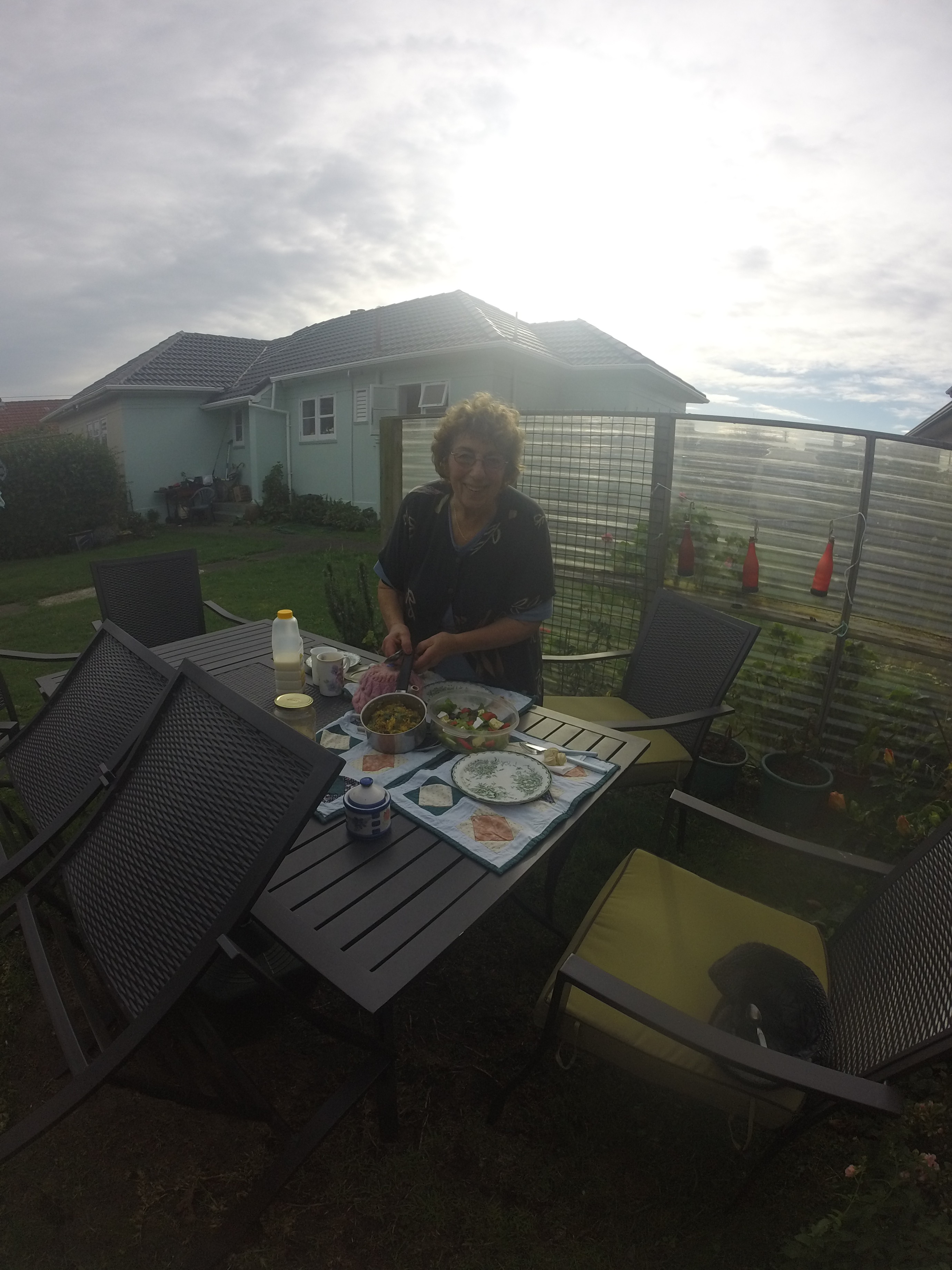
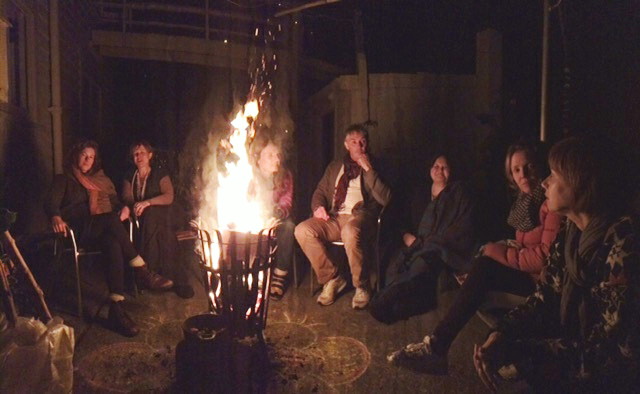
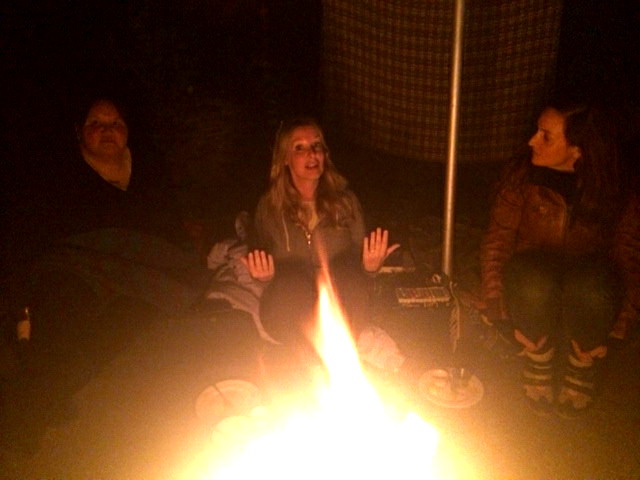
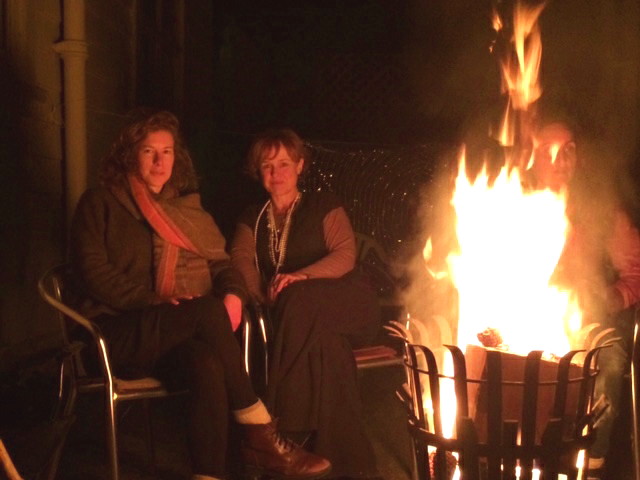
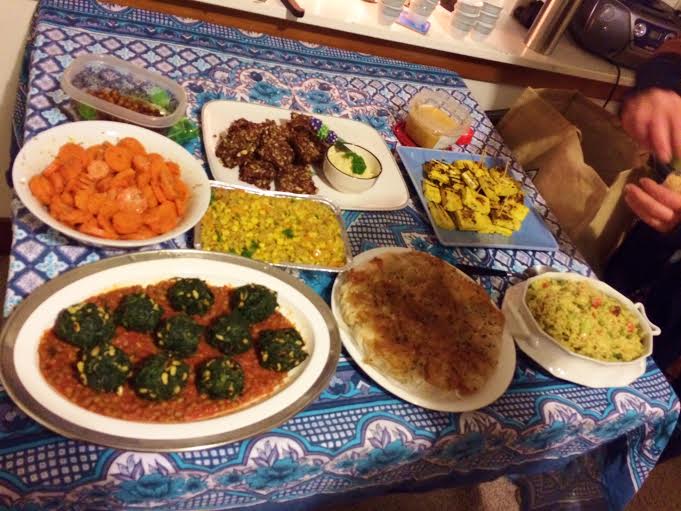
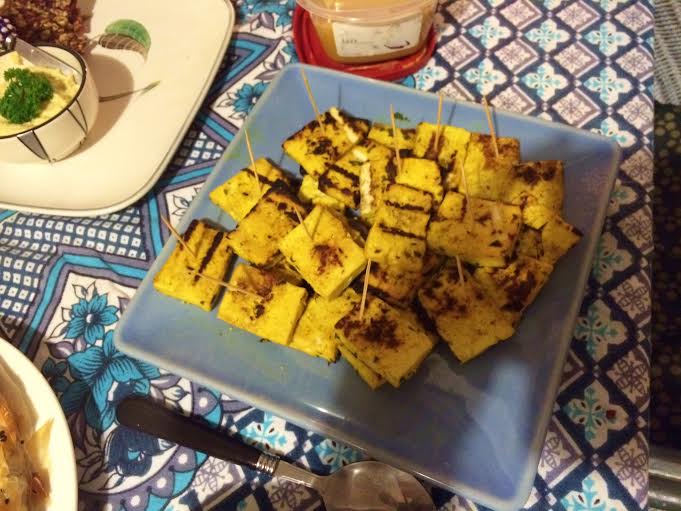
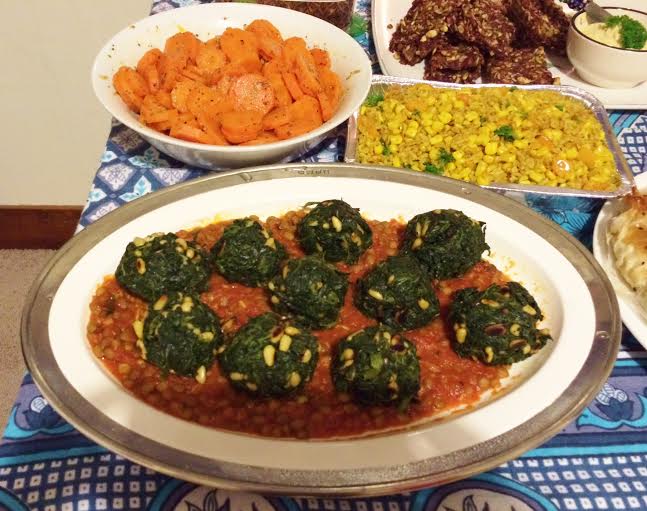
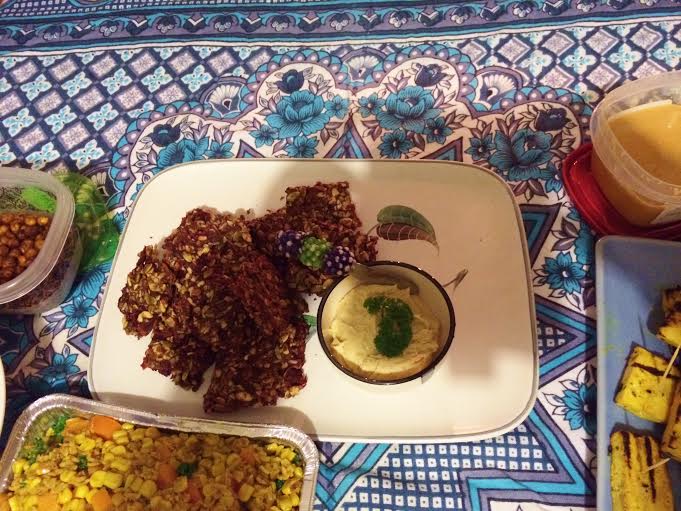
For our potluck tonight we had vegetarian pizzas with wholemeal pizza dough. Maree also made an incredible vegan chocolate torte decorated with flowers from the Three Kings Vine

pot luck 4 pot luck 2

Day 28 – Yoga Challenge

optical 3

Meditation at the centre of two pillars – with Ali

Today, our meditation borrowed from the Vijñana Bhairava Tantra.[1] Verse 61 is typical of the Trika school, which concentrates on three points to reveal universal truth.

More specifically, when we take any two things or conceptual opposites (such as left-right, up-down),  and focus our attention at the centre of these two objects, then relinquish the two supporting objects, a resulting transcendent reality is revealed (tattvaṃ prakāśate).

This centeredness is called madhya.

Accordingly, I focused my awareness on the in-breath flowing down into my spinal base (mūlādhāra), and then on the out-breath flowing up to my crown (sahasrāra). My point of concentration was the midpoint – the heart. I abandoned my base and crown, as focal points, and concentrated exclusively on the heart.

Then, I deepened my heart-centeredness focus by creating another dimension. This time I focused my attention outward on a dear student to my left (who was displaying a degree of mental agitation) and on the rhythmic sound of the omkara – continuous sounding OM to my right. Abandoning both, the insight was that of the peaceful Void (śūnyatā).

Being established in the Void, I closed my eyes and left behind these impressions. What appeared before my eyes was an intense violet light.

optical 2

I abandoned the violet light and a rod appeared. I abandoned the rod and it became a spiralling helix. I abandoned the spiralling helix is became a tubular  flower. I abandoned the cosmic flower and everything became still and black.

I sat peacefully in the universal centre (śāktopāya).

bharaiv

[1] Swami Lakshman Joo, Vijñana Bhairava: The Practice of Centring Awareness (Varanasi, India: Indica Books, 2007), 82.
Day 26 – Yoga Challenge

  ali on boulders DCIM101GOPRO DCIM101GOPRO

A Portrait of Wellington’s weather –  By Ali Hale Tilley

There are three distinct weather patterns in Te Whanganui-a-Tara:

The rarest is a fragile high, so elevated and bright that the dark outline of the Tararuas and the bottleneck of Cook Strait become anchors for a gently inflating sky. On these breathless days blue prevails. Your eyes are invariably drawn to red hulled tankers and yellow gorse. Other senses are also heightened – aromatic seaweed permeates the ozone; hushing waves pull back through polished shingle. This hypnotic ferment  amplifies sounds within the Harbour’s throat. Gulls screech on unseen shores. Ferries mow up and down shipping lanes. Yet, the euphoria is short-lived. As if blown from the belly of a mythical bird, cirrus clouds soon signal change on its way.

When the prevailing Northerly returns it rips the lid off the sky. The wind’s strength is relentless. It storms around corners and sets up air blockades. People struggle with car doors. Washing tangles around lines. Long hair blinds fashionistas, and skirts billow along Lampton Quay. Giant gusts scrape water off the harbour, dowsing unsuspecting cyclists with brine. Cumulus clouds race overhead. Mottled shadows sweep along pavements, up over ships from Panama, racing out through the Harbour gate, careering birds off course. Recycling bins roll around, keeping people up at night. Everywhere is turbulence. Then, a momentary calm lulls you, before you’re blown away again by the roaring Boreas.

The warmer flow from the North eventually surrenders to cold fronts from the South. Southerlies either creep in low and quiet overnight, or swing in suddenly with cold exact fury, driving waves and sand into the streets of Lyall and Island Bay. Sometimes jagged swells heave trees, kelp, and sea lion stench from Red Rocks to Barrett’s Reef. Other times, the South Pole’s vastness resonates with deep tectonic shifts. Even so, southerlies are always variable. They can either dampen moods with bleakness, hampering laundry and outdoor play. Or, they can invigorate the resolute, bringing temporary respite to our Capital’s liveliness.

For weather aficionados like myself, Wellington’s three main weather expressions are of equal fascination all year round. It is the change that I embrace.

“When we are no longer able to change a situation – we are challenged to change ourselves.” — Viktor E. Frankl


Day 25 – Yoga Challenge

terese Taha tinana

Terese reports: “I was puzzling over the last week as to why I am finding this Yoga Challenge so enormously successful, having tried and failed so many other programmes! And, it dawned on me this morning as I finished my stunningly poetic and beautiful dawn break incantation, in super complex Te Reo [Māori language] to boot!  That, in Māoridom, our health philosophy is holistic and made up of four key components:

  • Te Taha Wairua (spiritual health),
  • Te Taha Tinana (physical health),
  • Te Taha Hinengaro (psychological health),
  • Te Taha Whānau (family health), this constellation is known as Te Whare Tapa Wha

Terese continues: The guts of it being that we need to address all components for balanced health. Your Yoga Challenge has all these elements from the food, yoga, duty, rituals, all working as its own standalone element yet they are all related, I’ve never really persevered with any programme for more than a week or two but this is transformative and follows such old and wise pathways.”

Ali comments:

It is clear that this highly developed Māori philosophy of health and well-being – hauora –  harmonises perfectly with the physical, mental, social and spiritual aspects of our 40 Day Yoga Challenge:

  • taha wairua – spiritual well-being – arises out of sattvic eating, and following the basic moral and personal codes of Yoga (the yamas and the niyamas).
  • taha tinana – physical wellbeing – includes doing at least 30 minutes of yoga every day (comprised of asanas, karma, bhakti, or dhyana) to help support our health-related fitness. At least twice a week we practice as a group, under a qualified Yoga teacher’s instruction.
  • taha hinengaro – mental and emotional well-being – requires us to be self-aware and accountable of our personal habits and behaviours. We record our experiences in a journal, and this helps us stay transparent and self-aware.
  • taha whanau – social wellbeing – means that the group supports each other within the collective framework of the Challenge. We gather together, often twice a week, for group ‘confessions’ and also a enjoy a nutritious sattvic potluck meal, which has become the highlight of our week. The feeling of solidarity and compassion within the group helps individuals gain necessary support to stay strong on the Challenge. Friendships are formed, people truly care, and our Yoga community is further strengthened.

Ali continues: These four aspects of Māori philosophy fit together perfectly with the holistic Yoga we are practicing on our 40 Day Challenge.

Day 24 – Yoga Challenge

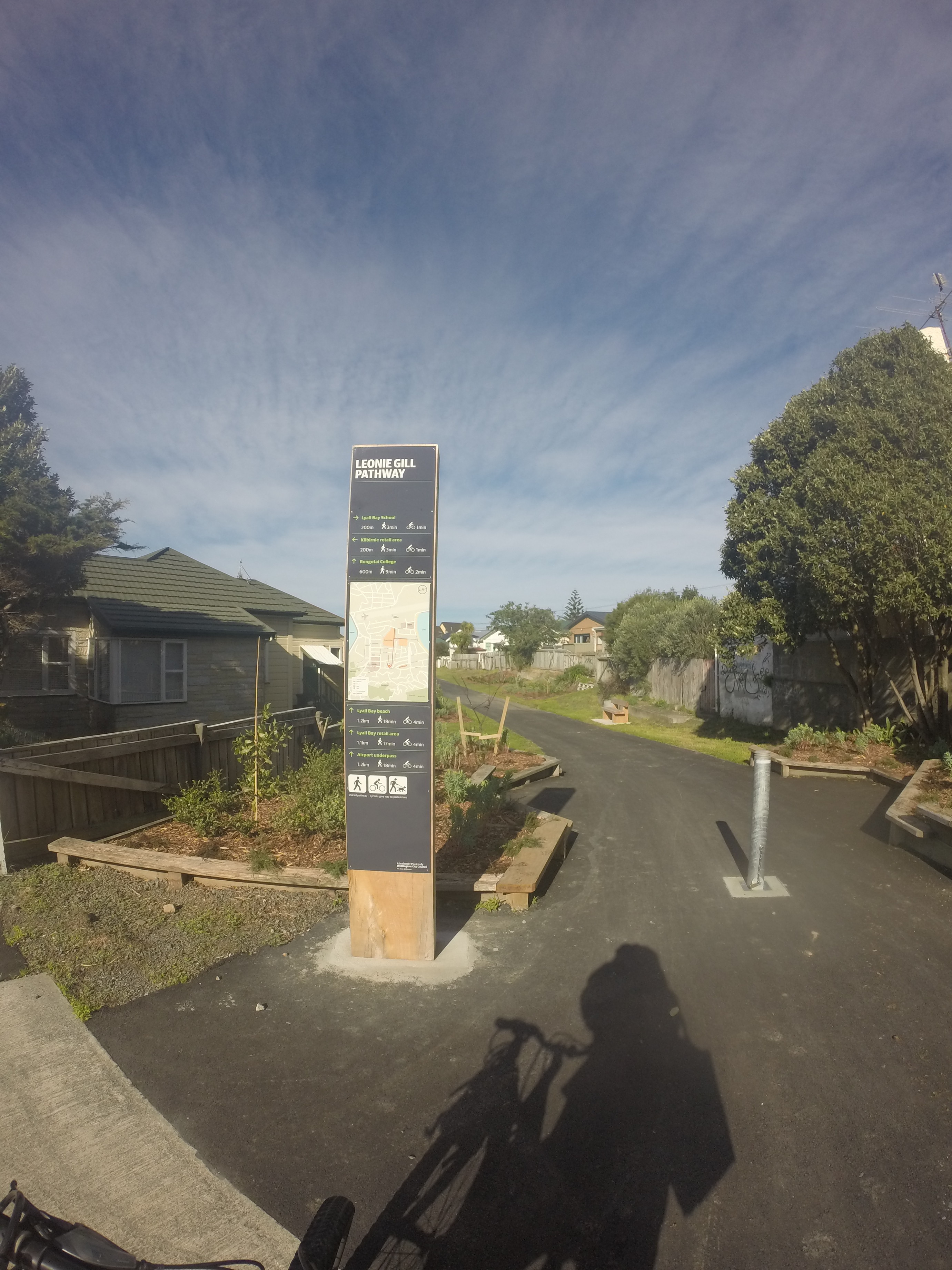
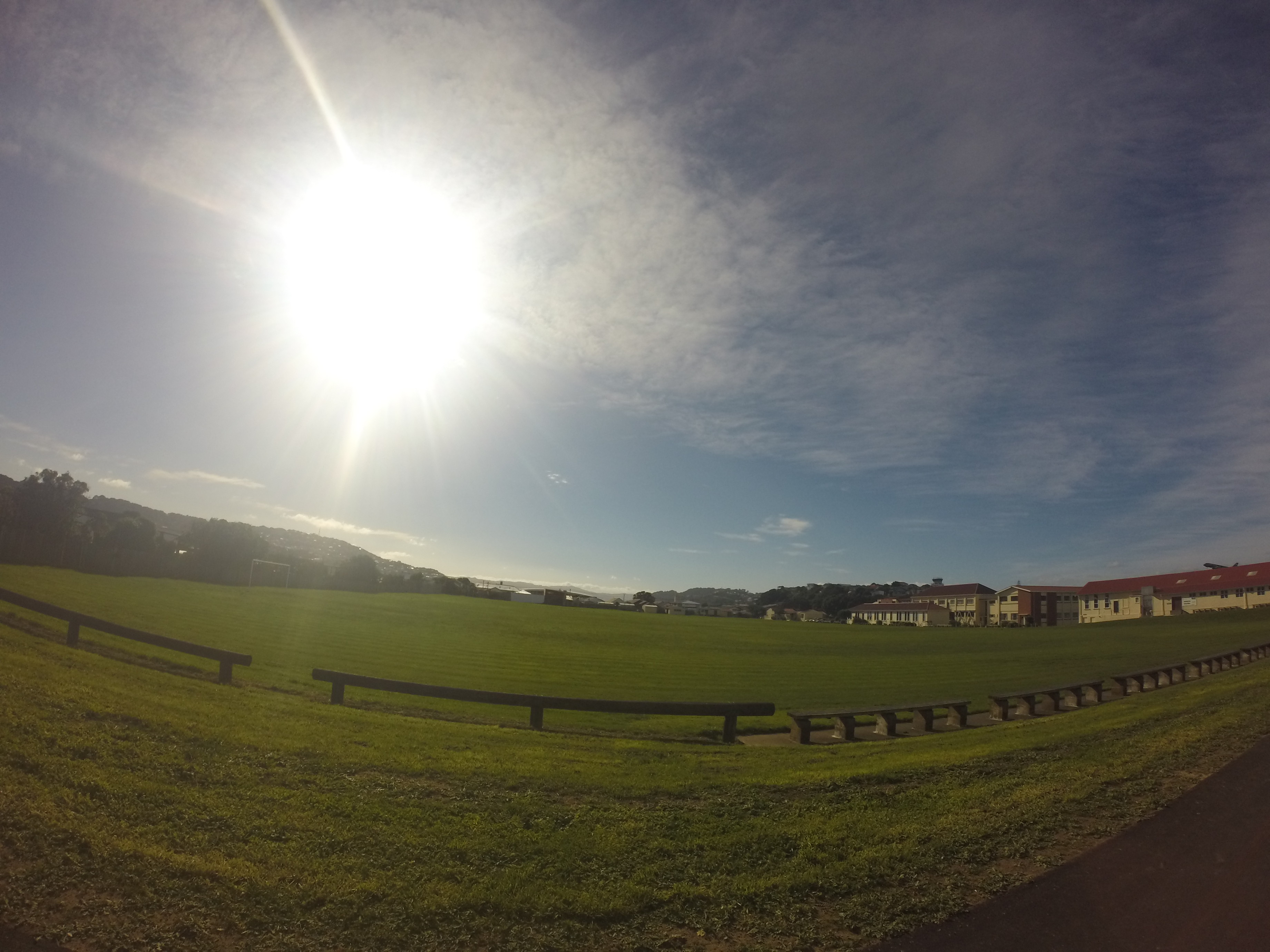
Ali reports: today I cycled along the new Leonie Gill Pathway, from Queens Drive to Rongatai, on my way to write my journal on Lyall Bay beach.

DCIM101GOPRO

DCIM101GOPRO

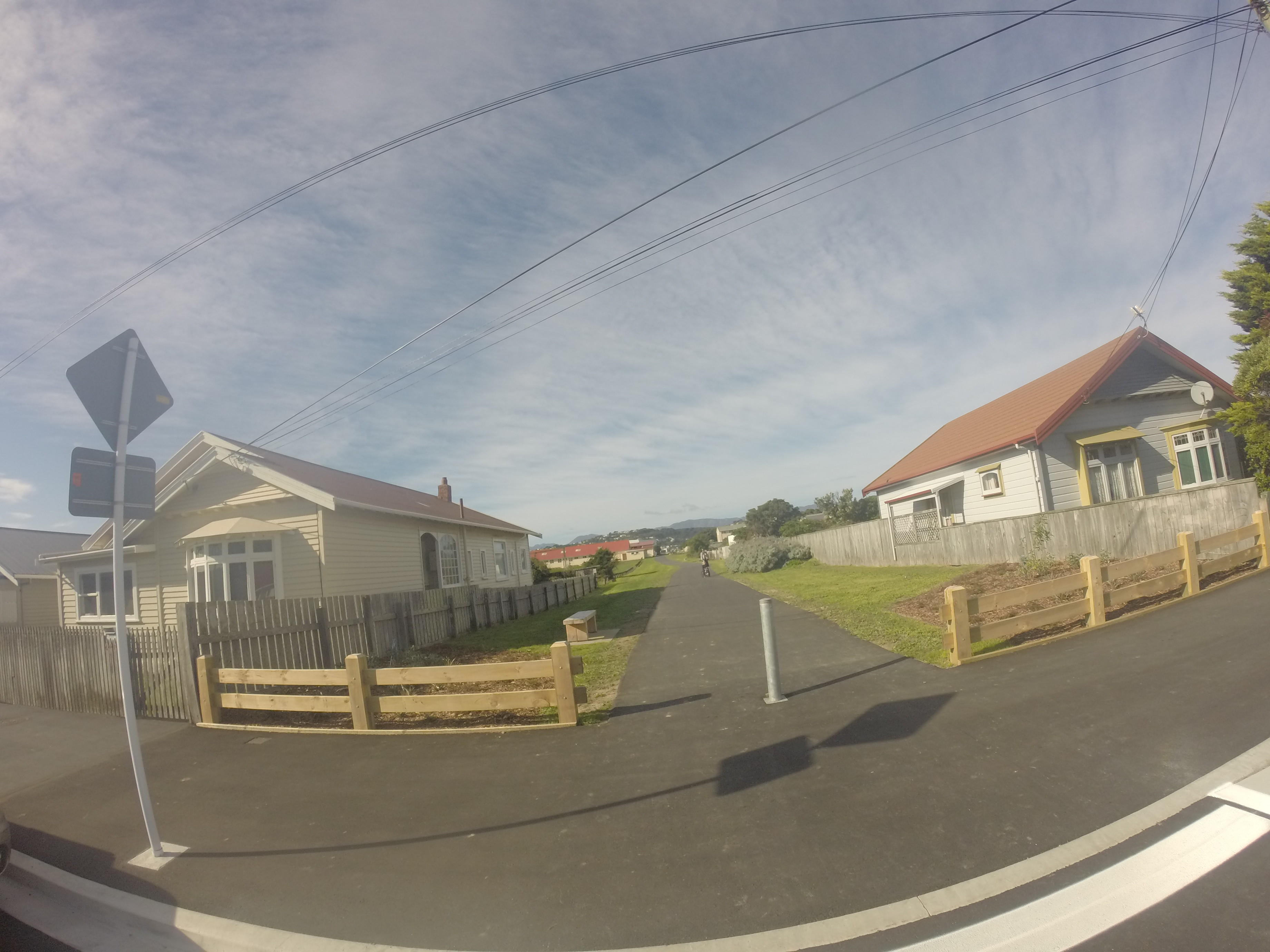
The pathway is a great way to bypass the busy traffic of Kilbirnie. Smooth ash-felt cuts right through the backyards of suburbia.

DCIM101GOPRO DCIM101GOPRO

DCIM101GOPRO DCIM101GOPRO

Being a solo agent with no kids, no car, no pets, no sports interest, I have a like-loathe relationship with Kilbirnie, which is all about cars, kids, pets and sports interests.

DCIM101GOPRO DCIM101GOPRO

Fortunately, surf was up at Lyall Bay and there were plenty of surfers in 10mm wetsuit catching right-hand breaks on beautiful waves. I got a couple of pages of my Yoga journal written before it was time for lunch at Lorraine’s.

DCIM101GOPRO DCIM101GOPRO

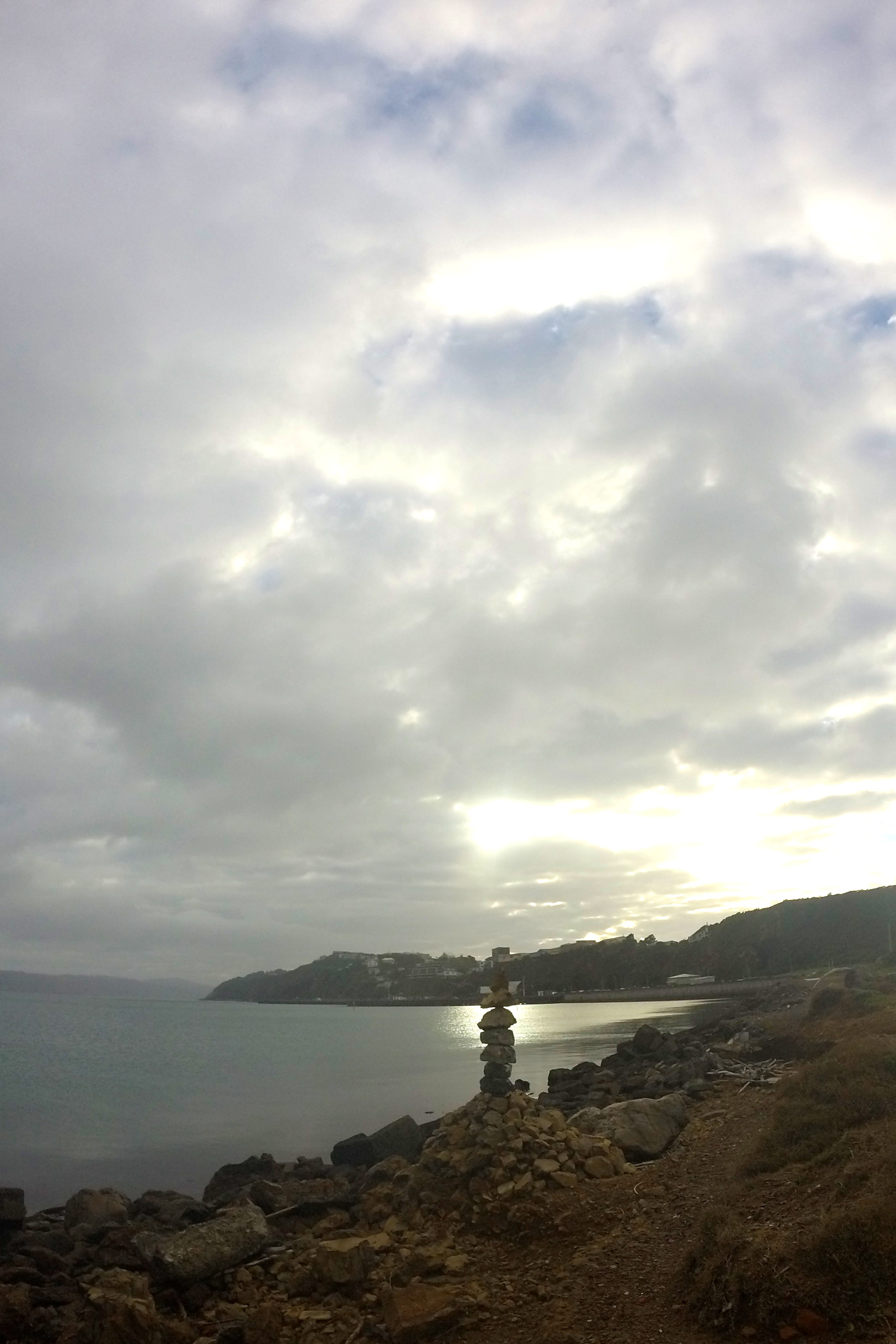
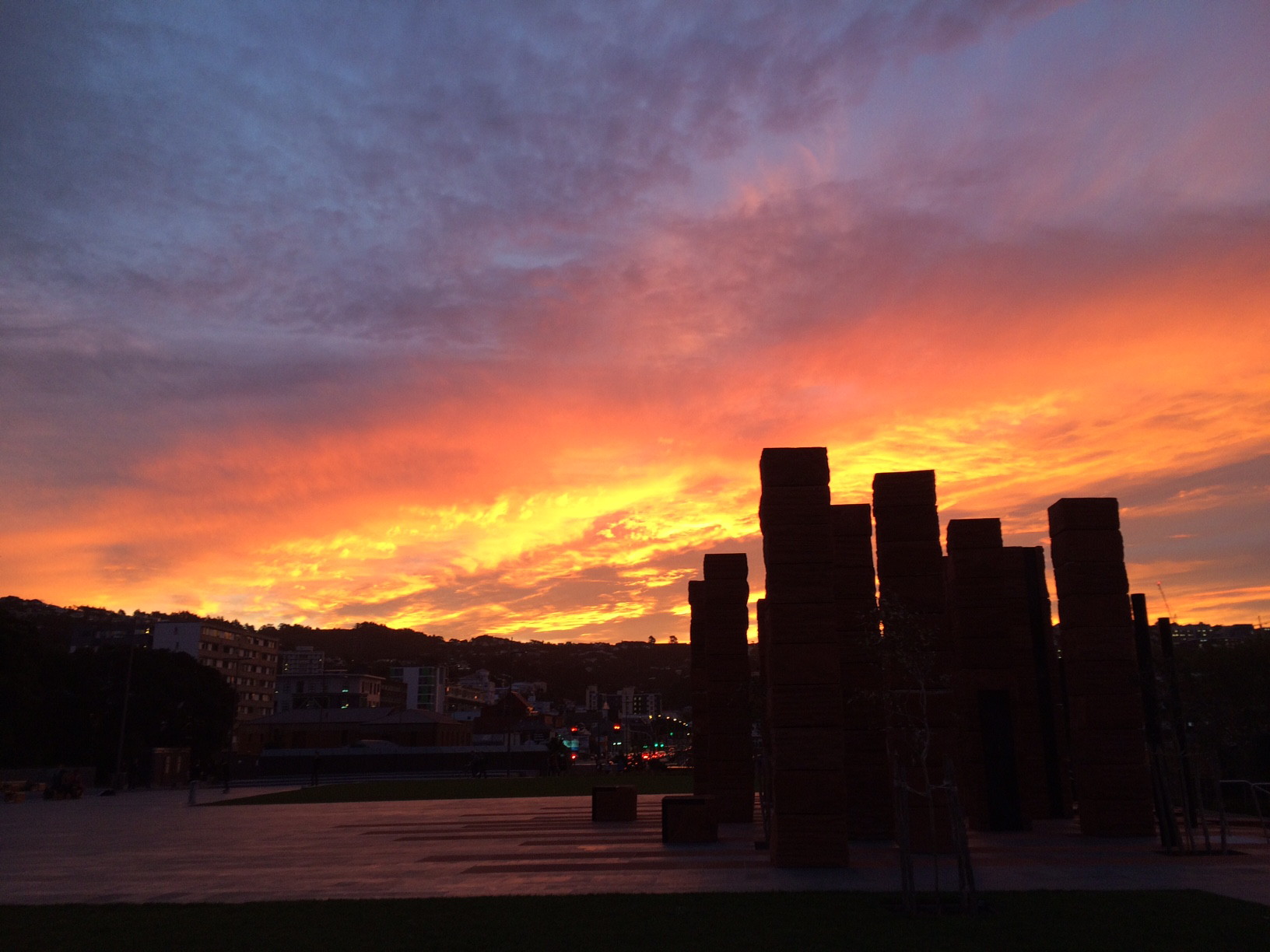
Sometimes life in the ‘burbs feels like a fishbowl, with everything distorted by the convex of commerce and the cul-de-sacs of our daily rounds. Then all of a sudden natural beauty breaks through, inspiring awe and soul-stirring reverence.

Wellington sunset

thanks to Nigel for the sunset snap

Day 23 – Yoga Challenge

Sunday stick Ali Sunday fire 2

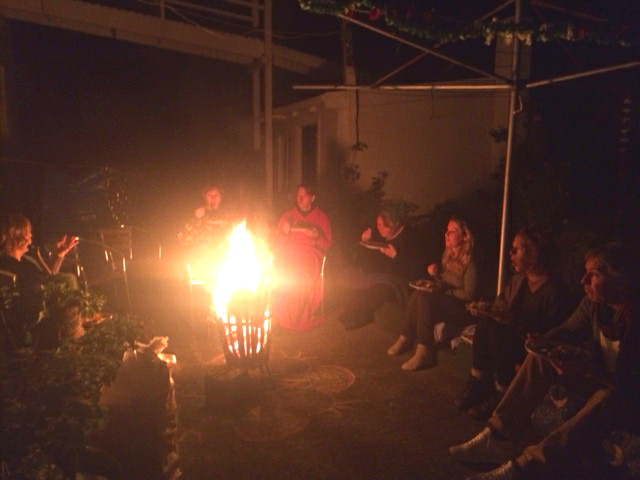
Our Sunday night satsang (in Sanskrit sat =true, and sanga = company) deeply enhanced our yogic quest on the 40 Day Challenge. Satsang is a spiritual gathering that gives more meaning and community spirit to the every day life of dedicated yogis.

Sunday group 2

Sunday crew Sunday fire2

We talked openly around the fire about our experiences on the Challenge, and discussed the deeper truths of yogic life. 

Sunday cake 2

We also ate amazing food on our Spanish-themed potluck dinner! Terese’s  Torta de Santiago with Pitcairn Island honey, edible viola flowers, and probiotic yoghurt was mind-melding! The rest of the fare was outstanding.

sunday food 2 sunday food

Sunday food 3 sunday food 4

As expected, Day 23 set to a beautiful still Autumn evening, making it perfect of a fire-lit gathering! Ali let off fireworks as the Challengers departed.

sUNDAY

Thanks to Maree, Terese, Sarah and Milan for these photos

Breaking news: Is ACC scaming Yoga teachers?

ahimsa handAli reports: ACC states that in 2014 there were 1,700 claims under Sports and recreation instruction (Classification Unit 84500). However, only ten claims had the word “yoga” in their name.

Yet during the same calendar year (Jan 1- Dec 31, 2014), Dance and Ballet had 212 active claims (costing $234,002). Meanwhile Rugby (league, union and touch) had over 1000 active claims costing almost $2,000,000!

If according to ACC, “yoga is not an activity that is specifically measured” why do Yoga teachers have to pay 5 times as much as Dance and Ballet teachers, and the same as Community Rugby instruction?

accacc 2

Please sign our online petition to help Ali and thousands of other NZ yoga teachers:

Change ACC’s coding on Yoga (yoga is not a sport)


Day 22 – Yoga Challenge

Terese reflects on the halfway mark of the 40 Day Challenge:

“I am still super amazed I’m not missing meat or coffee or anything I used to eat mindlessly!

This programme has felt gentle and sustainable. I’ve tried an unbelievable amount of different health plans and most of them felt aggressive and ultimately for me non sustainable, the support and comradery of the yoga challenge group has been a real strength and pleasure.

Meeting my daily yoga requirements by sometimes turning my office at Māori Studies Victoria University into my daily yoga zone, with Ali’s at home programme she designed for me, yesterday, three staff where in downward dog in here!!”

office